Introduction
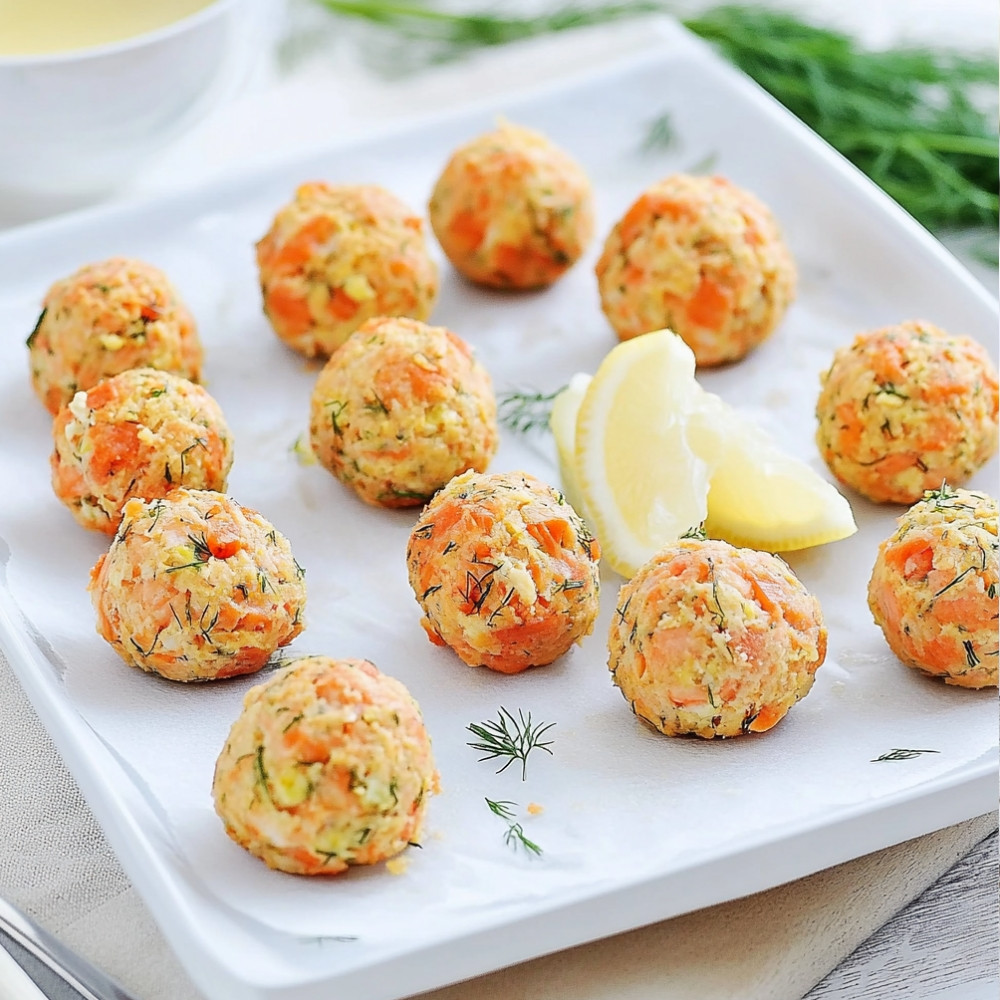
Enjoy the delightful flavor of salmon with these easy-to-make salmon balls that are also perfect for freezing. These versatile bites can be served as appetizers, snacks, or main dishes, making them an excellent addition to any meal. Whether you’re meal prepping or looking for a quick dish to impress, these salmon balls are a nutritious and delicious choice.
Detailed Ingredients with Measures
– Fresh salmon fillet: 500g
– Breadcrumbs: 100g
– Egg: 1
– Fresh dill: 1 tablespoon, chopped
– Lemon zest: 1 teaspoon
– Garlic: 2 cloves, minced
– Salt: 1 teaspoon
– Pepper: ½ teaspoon
– Olive oil: for frying
Prep Time
15 minutes
Cook Time, Total Time, Yield
Cook Time: 20 minutes
Total Time: 35 minutes
Yield: Approximately 20 salmon balls
Detailed Directions and Instructions
Step 1: Prepare the Salmon
Remove the skin from the salmon fillet and ensure there are no bones. Cut the salmon into small pieces to make it easier to blend.
Step 2: Cook the Salmon
In a pan, cook the salmon over medium heat until it’s fully cooked through. Once done, remove it from the heat and let it cool slightly.
Step 3: Blend the Ingredients
In a food processor, add the cooked salmon, breadcrumbs, chopped fresh herbs (such as dill and parsley), and seasoning. Blend until you achieve a smooth, even mixture.
Step 4: Form the Balls
With your hands, take small portions of the mixture and roll them into balls, about the size of a golf ball.
Step 5: Prepare for Freezing
Place the formed balls on a baking sheet lined with parchment paper. Make sure they are spaced out to prevent sticking.
Step 6: Freeze the Balls
Put the baking sheet in the freezer for about 1 to 2 hours, or until the balls are firm.
Step 7: Store the Balls
Once frozen, transfer the salmon balls to a freezer-safe bag or container. Label with the date and return to the freezer for future use.
Notes
Note 1: Fish Selection
You can substitute salmon with other types of fish like trout or cod if desired.
Note 2: Gluten-Free Option
Use gluten-free breadcrumbs to accommodate a gluten-free diet.
Note 3: Cooking Method
These salmon balls can be baked or pan-fried when you’re ready to use them. Baking may provide a healthier option.
Note 4: Sauce Pairing
Serve the salmon balls with a sauce of your choice, such as tartar sauce or a lemon-dill dip, for added flavor.
Note 5: Storage Duration
The salmon balls can be stored in the freezer for up to three months for best quality.
Cook techniques
Choosing the Right Salmon
Selecting fresh, high-quality salmon is crucial for making flavorful salmon balls. Look for bright, firm fillets with a mild scent.
Proper Mincing
To ensure even mixing, mince the salmon finely. This helps the mixture bind together better and enhances the texture of the final product.
Flavor Enhancements
Incorporate herbs, spices, or other flavor enhancers like lemon zest or garlic to elevate the taste of your salmon balls. Fresh ingredients yield the best flavor.
Forming the Balls
When shaping the salmon mixture into balls, keep them uniform in size for even cooking. Slightly wetting your hands can help prevent sticking.
Chilling Before Cooking
Chill the formed salmon balls in the refrigerator for at least 30 minutes before cooking. This helps them maintain their shape during the cooking process.
Baking vs. Frying
Choose between baking or frying the salmon balls based on your desired texture. Baking offers a healthier option, while frying can add a crispy exterior.
Freezing for Later
To freeze the salmon balls, arrange them on a tray to freeze individually before transferring them to a freezer-safe container. This prevents them from sticking together.
Cooking Time
Monitor the cooking time closely to avoid overcooking. Salmon balls should reach an internal temperature of 145°F for safe consumption.
FAQ
Can I use canned salmon for this recipe?
Yes, canned salmon can be used, but be sure to drain it well and check for bones before mixing.
How long can I freeze the salmon balls?
Salmon balls can be frozen for up to three months without losing their quality.
What can I serve with salmon balls?
Serve with a side of fresh salad, dipping sauces, or over a bed of rice or grains for a complete meal.
Can I substitute salmon with other fish?
Yes, other firm fish like tuna or cod can be used as substitutes, though the flavor will change accordingly.
Are these salmon balls gluten-free?
Ensure that you use gluten-free breadcrumbs or substitutes if gluten is a concern for dietary needs.
How do I know when salmon balls are fully cooked?
Use a food thermometer to check that the internal temperature has reached 145°F, ensuring they are properly cooked.
Conclusion
The salmon meatballs are a delightful and versatile dish that can be easily prepared and frozen for later use. Their flavorful profile and healthy ingredients make them a great addition to your meal planning, whether served as a main dish or added to other recipes. Enjoy the convenience of having healthy meals at your fingertips while savoring the delicious taste of these salmon meatballs.
More recipes suggestions and combination
Salmon Meatball Pasta
Combine the salmon meatballs with your favorite pasta and a light cream or tomato sauce for a satisfying meal.
Salmon Meatball Tacos
Serve the salmon meatballs in soft tortillas with fresh toppings like avocado, salsa, and cilantro for a fun twist.
Salmon Meatball Salad
Add the salmon meatballs to a mixed greens salad topped with a zesty lemon vinaigrette for a healthy, fresh option.
Salmon Meatball Soup
Cook the meatballs in a flavorful broth with vegetables and noodles for a comforting soup.
Teriyaki Salmon Meatballs
Glaze the meatballs with teriyaki sauce and serve them over rice for a delicious Asian-inspired dish.
Leave a Reply