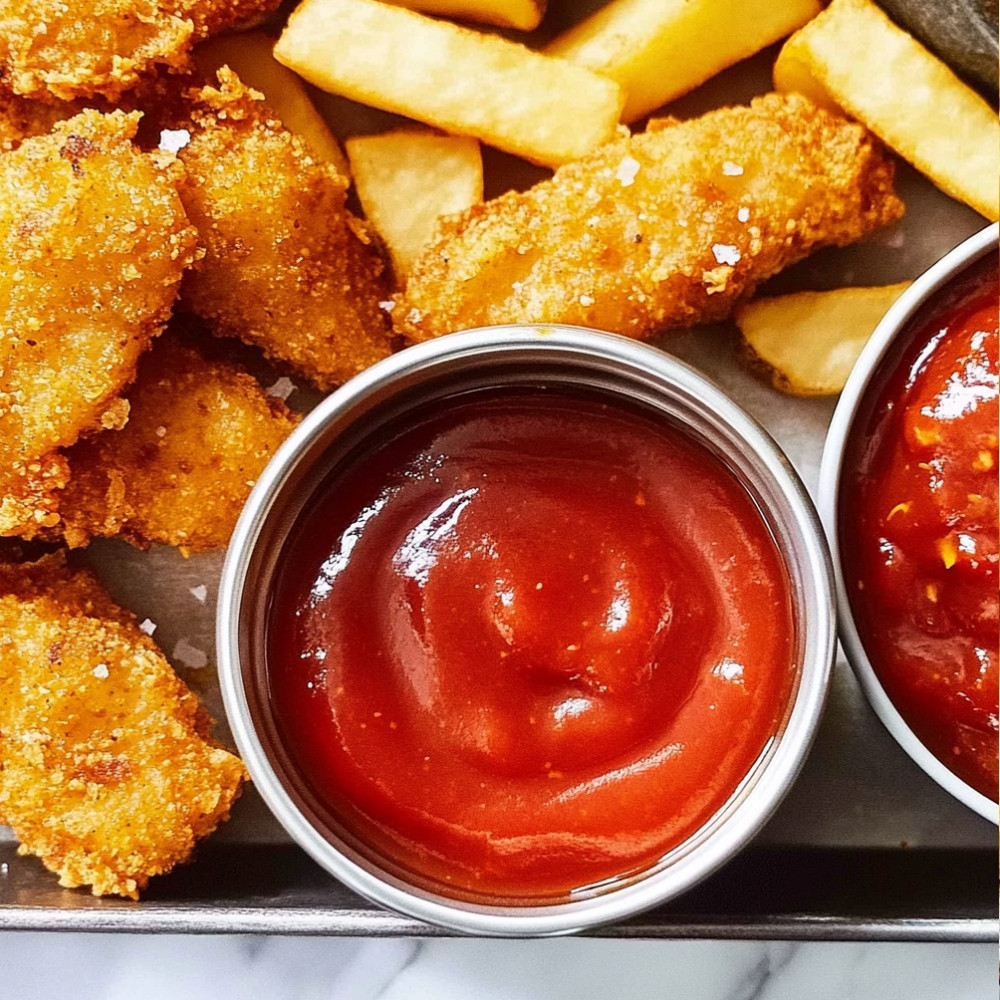
Introduction
Storing ketchup might seem straightforward, but there are various factors to consider that can affect its flavor and longevity. Understanding the best methods for storing this beloved condiment can help maintain its quality and ensure it remains safe to eat. This article explores the do’s and don’ts of ketchup storage, guiding you on how to keep your ketchup fresh and delicious.
Detailed Ingredients with measures
Ketchup: 1 bottle (approximately 20 ounces)
Preservatives: Typically included in commercial ketchup, such as vinegar and salt.
Prep Time
Prep Time: 5 minutes
Cook Time, Total Time, Yield
Cook Time: N/A
Total Time: 5 minutes
Yield: 1 bottle of ketchup (approximately 20 servings)
Ketchup’s flavor can deteriorate when exposed to air, light, or heat. Therefore, proper storage techniques are key to prolonging its shelf life. Enjoy your ketchup in the best condition by following proper storage practices including refrigeration once opened, and keeping it away from direct sunlight.
Detailed Directions and Instructions
1. Choose the Right Container
Select a container that is airtight and suitable for liquid storage. Glass jars or plastic squeeze bottles work well to keep ketchup fresh.
2. Store in the Refrigerator
Once opened, always store ketchup in the refrigerator. The cold temperature helps to preserve its flavor and prevents spoilage.
3. Use a Clean Utensil
When serving ketchup from the container, use a clean spoon or nozzle. This prevents bacteria from contaminating the remaining ketchup.
4. Note Expiration Dates
Check the expiration date on the ketchup bottle. Store it accordingly, and if you’re unsure, perform a smell and taste test before use.
5. Keep it Upright
Store ketchup bottles upright in the refrigerator. This minimizes leakage and helps maintain the consistency of the ketchup.
6. Do Not Freeze
Avoid freezing ketchup as it can alter its texture and flavor. Instead, store it in the refrigerator for optimal freshness.
7. Ensure the Lid is Tight
Make sure the lid is closed tightly after each use to keep air out, which can cause the ketchup to spoil faster.
Notes
Check for Flavor Changes
If you notice any change in flavor, color, or texture, it might be best to discard the ketchup.
Homemade Ketchup Storage
If you make homemade ketchup, store it in a glass jar with a tight lid and refrigerate. Consume within a few weeks for the best taste.
Long-term Storage
For long-term storage, consider using vacuum-sealed bags or jars, but make sure to label the container with the date of preparation.
Cook techniques
Storing Ketchup in the Fridge
Ketchup should be kept in the refrigerator once opened to maintain its freshness and quality. The cold temperature slows down the growth of bacteria and helps preserve the flavor.
Storing Ketchup in the Pantry
Unopened ketchup can be stored in a cool, dark pantry or cupboard. Ensure it is kept away from direct sunlight and heat sources to prolong its shelf life.
Checking for Freshness
Always check the expiration date on the bottle. If it has been opened for a long time, inspect its color, smell, and texture before use.
FAQ
Can I leave opened ketchup out of the fridge?
While some people do store ketchup at room temperature, it is best to keep it refrigerated after opening to ensure optimal flavor and safety.
How long does ketchup last in the fridge?
Opened ketchup can last up to six months in the refrigerator. Always refer to the label for specific recommendations.
What should I do if my ketchup changes color?
If you notice any changes in color, texture, or smell, it is advisable to discard the ketchup to avoid any risk of consuming spoiled food.
Is it safe to eat expired ketchup?
While expired ketchup may not be harmful if it shows no signs of spoilage, it is always safer to adhere to expiration dates for the best flavor and safety.
Conclusion
In conclusion, proper storage of ketchup is essential to maintain its flavor, freshness, and safety. Keeping it sealed and stored in the refrigerator after opening helps prevent spoilage and extends its shelf life. By following these guidelines, you can enjoy your ketchup without worrying about quality.
More recipes suggestions and combination
Ketchup Glazed Meatloaf
Combine ketchup with brown sugar and mustard to create a delicious glaze for your meatloaf, adding a sweet and tangy flavor.
BBQ Sauce
Mix ketchup with vinegar, brown sugar, and spices to make a quick and easy homemade BBQ sauce perfect for grilling.
Ketchup and Mayo Dip
Blend equal parts ketchup and mayonnaise for a creamy dip that pairs well with fries, chicken tenders, or fresh veggies.
Ketchup Pasta Sauce
Use ketchup as a base for a quick pasta sauce by adding sautéed onions, garlic, and herbs for a simple dinner option.
Sweet and Sour Chicken
Create a sweet and sour sauce by mixing ketchup with pineapple juice and vinegar, perfect for stir-frying chicken and vegetables.


Leave a Reply