Introduction
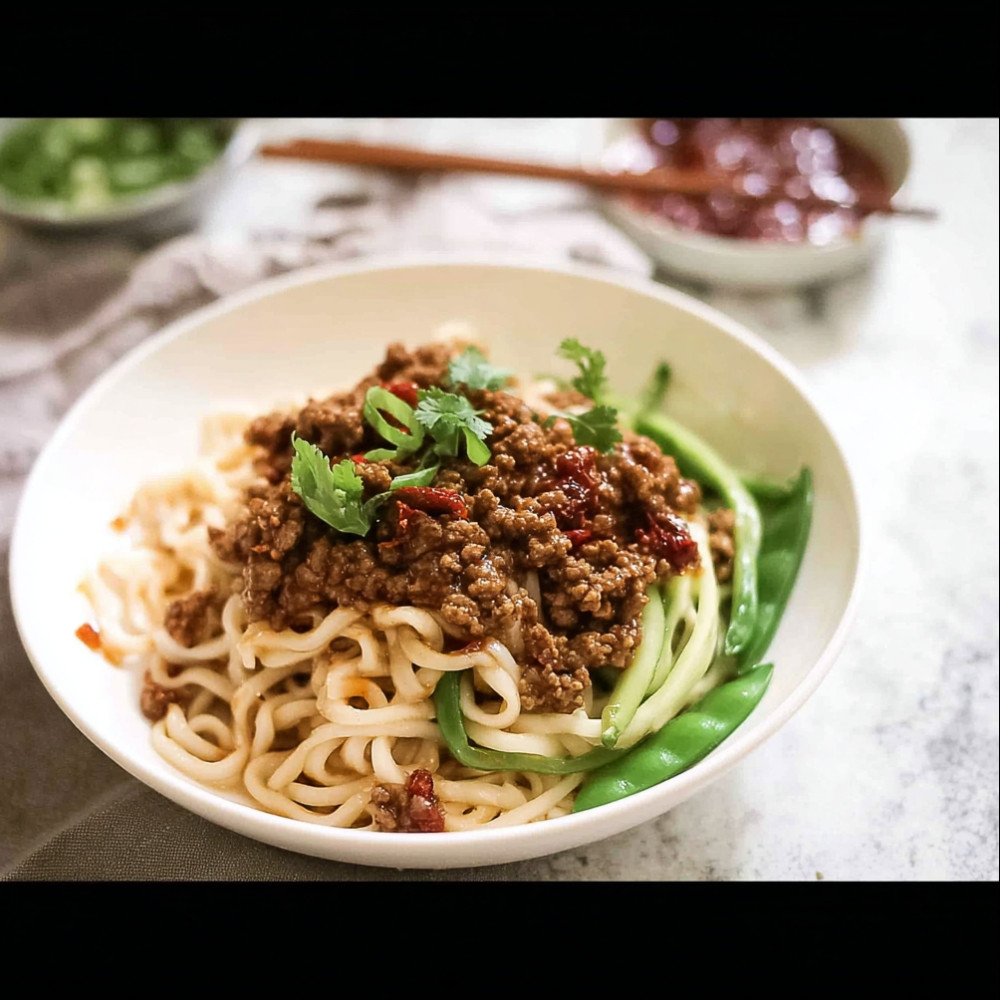
Chinese Pork Mince with Noodles is a delightful dish that brings together the savory flavors of seasoned pork, fresh vegetables, and tender noodles. This quick and easy recipe is perfect for a weeknight dinner or a casual get-together with friends. The combination of ingredients ensures a satisfying meal that you can whip up in no time, making it a favorite in many households.
Detailed Ingredients with measures
Pork mince – 500 grams
Noodles – 200 grams
Vegetable oil – 2 tablespoons
Garlic – 2 cloves, minced
Ginger – 1 tablespoon, minced
Spring onions – 3, chopped
Carrot – 1, julienned
Bell pepper – 1, sliced
Soy sauce – 3 tablespoons
Oyster sauce – 1 tablespoon
Sesame oil – 1 teaspoon
Salt – to taste
Pepper – to taste
Prep Time
The preparation time for this dish is approximately 10 minutes. This includes chopping the vegetables, measuring out the ingredients, and getting everything ready for cooking.
Cook Time, Total Time, Yield
The cook time is around 15 minutes. Therefore, the total time for making Chinese Pork Mince with Noodles is about 25 minutes. This recipe yields approximately 4 servings, making it an ideal option for family meals or entertaining guests.
Detailed Directions and Instructions
Step 1: Cook the Noodles
Boil a pot of water and add the noodles. Cook according to package instructions until al dente. Drain and set aside.
Step 2: Prepare the Sauce
In a bowl, combine soy sauce, oyster sauce, and sesame oil. Mix well to create the sauce.
Step 3: Cook the Pork
Heat oil in a large skillet over medium-high heat. Add the minced pork and cook until browned and fully cooked, breaking it apart with a spoon as it cooks.
Step 4: Add Aromatics
Add garlic and ginger to the skillet, stirring for about 1-2 minutes until fragrant.
Step 5: Incorporate Vegetables
Add sliced bell peppers and carrot to the skillet. Stir-fry for several minutes until they start to soften.
Step 6: Combine with Sauce
Pour the sauce over the pork and vegetables, stirring well to ensure everything is evenly coated. Cook for another 2 minutes.
Step 7: Toss with Noodles
Add the cooked noodles to the skillet, tossing everything together until the noodles are well combined with the pork and sauce.
Step 8: Serve
Serve immediately, garnished with chopped green onions and sesame seeds if desired.
Notes
Note 1: Noodle Variations
You can use different types of noodles, such as rice noodles or egg noodles, based on your preference.
Note 2: Spice Level
To adjust the spice level, consider adding chili sauce or red pepper flakes according to your taste.
Note 3: Vegetable Options
Feel free to add additional vegetables such as broccoli, snow peas, or bean sprouts for extra nutrition and texture.
Note 4: Storage
Leftovers can be stored in an airtight container in the refrigerator for up to 3 days. Reheat in a skillet or microwave before serving.
Cook techniques
Stir-frying
Stir-frying is a quick cooking method that uses high heat to sear the ingredients in a small amount of oil, preserving flavor and texture.
Marinating
Marinating involves soaking meat in a seasoned liquid mixture prior to cooking, enhancing flavor and tenderness.
Blanching noodles
Blanching noodles is a technique to cook them briefly in boiling water, then immediately cooling them in ice water to maintain their texture and prevent overcooking.
Seasoning
Seasoning is the process of adding salt, herbs, and spices to enhance the dish’s overall flavor before and during cooking.
Finishing with sauce
Finishing with sauce involves adding a flavorful mixture at the end of cooking to coat the ingredients and elevate the dish.
FAQ
What type of noodles can I use for this recipe?
You can use any type of noodles, such as egg noodles, rice noodles, or even spaghetti, depending on your preference.
Can I substitute the pork mince with another type of meat?
Yes, you can substitute pork mince with chicken, turkey, or even plant-based ground meat for a different flavor profile.
How can I make this dish spicier?
To add heat, consider including chili paste, fresh chopped chili, or red pepper flakes to your sauce or during cooking.
What vegetables can I add to the dish?
You can add a variety of vegetables such as bell peppers, broccoli, snap peas, or mushrooms for added nutrition and flavor.
How do I store leftovers?
Leftovers can be stored in an airtight container in the refrigerator for up to 3 days. Reheat them thoroughly before serving.
Conclusion
Enjoying Chinese pork mince with noodles is a delightful experience that combines savory flavors and satisfying textures. This dish is not only quick to prepare but also highly customizable, allowing you to adjust the ingredients and seasoning to suit your taste. Whether for a busy weeknight dinner or a weekend gathering, this recipe is sure to please everyone at the table.
More recipes suggestions and combination
Stir-fried Vegetables
Add a mix of your favorite stir-fried vegetables such as bell peppers, bok choy, and snap peas for added color and nutrition.
Chili Garlic Noodles
Spice up your dish by incorporating chili garlic sauce into the noodles for an extra kick.
Sesame Chicken
Try pairing your pork mince noodles with sesame chicken for a complementary flavor that enhances the meal.
Crispy Spring Rolls
Serve crispy spring rolls on the side for a crunchy texture that contrasts beautifully with the soft noodles.
Egg Fried Rice
Consider making egg fried rice as an alternative side, which can soak up the delicious sauce from the pork mince.
Asian-style Salad
A refreshing Asian-style salad with cabbage, carrots, and a sesame dressing can provide a light and crunchy accompaniment.
Sweet and Sour Tofu
For a vegetarian option, sweet and sour tofu can be a delicious match, offering a different protein source with similar flavors.
Fried Egg Topping
Top your noodle dish with a fried egg for extra richness and a stylish presentation.
Black Bean Sauce Variation
Make a flavorful variation by using black bean sauce in the cooking process, adding depth to the dish.


Leave a Reply