Introduction
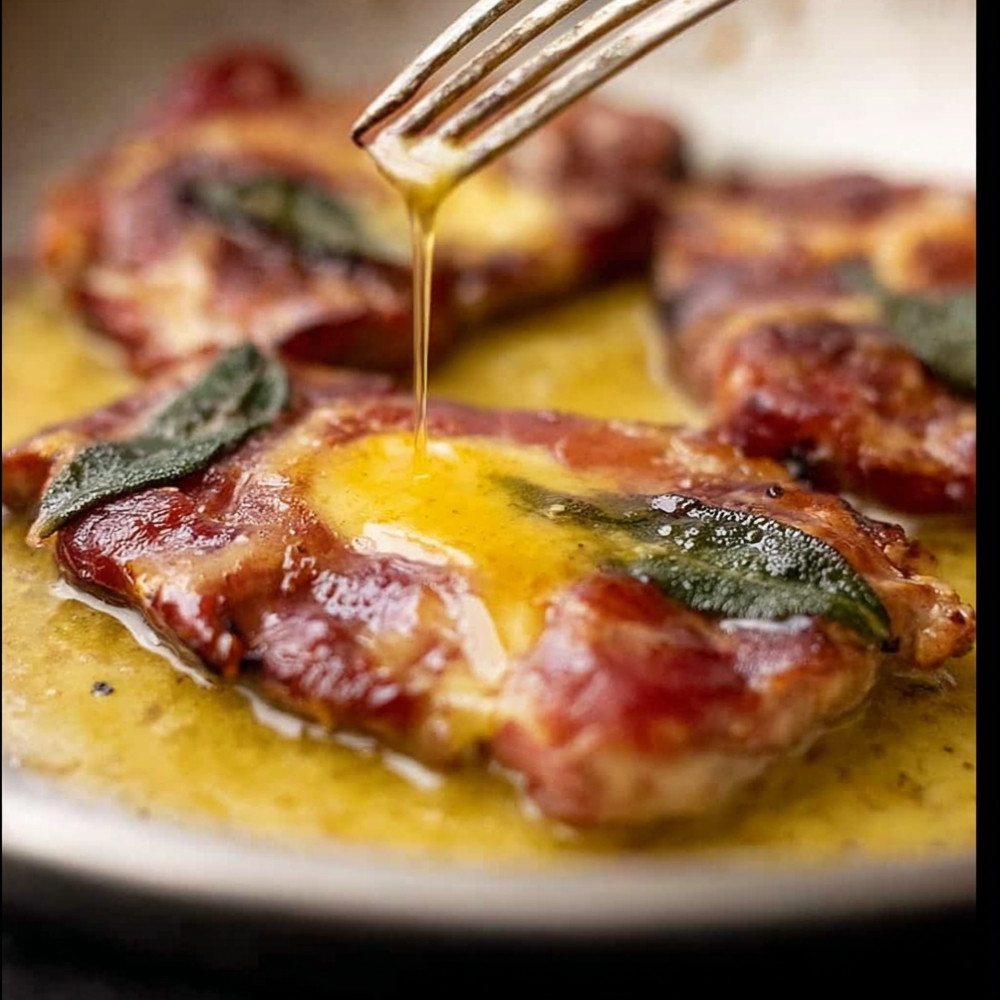
Saltimbocca is a classic Italian dish that beautifully combines the flavors of tender veal, savory prosciutto, and aromatic sage. Originating from Rome, this dish translates to “jump in the mouth,” alluding to its delightful taste that captivates anyone who tries it. Perfect for special occasions or a luxurious dinner at home, saltimbocca is both elegant and surprisingly simple to prepare.
Detailed Ingredients with measures
Veal cutlets – 4 pieces, about 150g each
Prosciutto – 4 slices
Fresh sage leaves – 8 leaves
All-purpose flour – for dusting
Olive oil – 2 tablespoons
Unsalted butter – 2 tablespoons
Dry white wine – 1/2 cup
Salt – to taste
Black pepper – to taste
Prep Time
15 minutes
Cook Time, Total Time, Yield
Cook Time: 10 minutes
Total Time: 25 minutes
Yield: Serves 4
Saltimbocca is an impressive dish that anyone can master with just a few quality ingredients and a bit of technique. Enjoy this traditional Italian meal with a side of your favorite vegetables or a fresh salad for a perfect dining experience.
Detailed Directions and Instructions
Prepare the Ingredients
Lay the chicken breasts flat and slice them horizontally to create thin cutlets. Place a slice of prosciutto on top of each cutlet, followed by a sage leaf.
Secure with Toothpicks
Using toothpicks, secure the prosciutto and sage to the chicken cutlets to prevent them from coming loose during cooking.
Heat the Pan
In a large skillet, heat butter and olive oil over medium-high heat until hot but not smoking.
Sear the Chicken
Add the prepared chicken cutlets to the skillet, prosciutto side down. Cook for 2-3 minutes until golden brown, then flip and cook for an additional 2 minutes on the other side.
Add Wine
Once both sides are cooked, carefully add white wine to the skillet, scraping the bottom to deglaze. Allow it to simmer for 2 minutes for the alcohol to evaporate.
Finish Cooking
Reduce the heat to medium-low, cover the skillet, and let the chicken finish cooking in the sauce for about 2 more minutes.
Remove and Rest
Carefully remove the chicken from the skillet and place it on a warm plate. Allow it to rest while you prepare the sauce.
Prepare Sauce
Increase the heat to medium-high and let the sauce reduce for an additional 2-3 minutes until it thickens slightly.
Serve the Dish
Serve the chicken immediately, drizzled with the sauce and garnished with additional sage if desired.
Notes
Choosing the Chicken
Use thinly sliced chicken breast for the best texture and quick cooking.
Variations
You can substitute the prosciutto with pancetta or bacon if preferred.
Wine Selection
A good quality dry white wine, such as Sauvignon Blanc or Pinot Grigio, works best for the recipe.
Storage Instructions
Leftovers can be stored in an airtight container in the refrigerator for up to 3 days. Reheat gently to avoid drying out the chicken.
Cook techniques
Preparation of Ingredients
Saltimbocca requires fresh ingredients such as veal, prosciutto, and sage. Ensure that the veal is pounded thin for quick cooking and maximum flavor absorption.
Wrapping Technique
To create the signature look and taste of saltimbocca, wrap the prosciutto around the veal cutlet and secure it with a toothpick or tie it with kitchen twine.
Cooking Method
The cutlets should be cooked quickly over high heat in a skillet to seal in the flavor, creating a golden crust while keeping the meat tender.
Deglazing the Pan
After cooking the veal, deglaze the pan with white wine or broth to incorporate the browned bits into the sauce, enhancing the overall flavor of the dish.
Finishing Touch
The dish can be finished with a touch of butter, allowing it to melt into the sauce for added richness before serving.
FAQ
What type of meat is best for saltimbocca?
Veal is traditional, but you can also use chicken or pork as alternatives.
Can I make saltimbocca in advance?
It is best served fresh, but you can prepare the ingredients ahead of time and cook them just before serving.
What can I substitute for white wine?
You can use chicken broth or a mix of vinegar and water as a non-alcoholic alternative.
How do I know when the meat is done?
The meat should be cooked until it is just no longer pink in the center, usually about 3-4 minutes per side.
Can I use dried sage?
Fresh sage is recommended for its flavor, but dried sage can be used in a pinch, though the flavor will be less vibrant.
Conclusion
Saltimbocca is a delightful dish that combines the rich flavors of prosciutto and sage with tender veal. Its simple preparation and impressive presentation make it a perfect choice for both weeknight dinners and special occasions. The complementary flavors and textures come together to create a memorable meal that is sure to impress your family and friends.
More recipes suggestions and combination
Chicken Saltimbocca
Swap out veal for chicken in this classic recipe for a lighter version that still captures the essence of the traditional dish.
Vegetarian Saltimbocca
Create a meat-free version using grilled eggplant or mushrooms layered with fresh sage and wrapped in prosciutto for a unique twist.
Herb-Crusted Pork Saltimbocca
Use pork tenderloin with a herb crust to add a savory crunch, pairing well with the prosciutto and sage.
Saltimbocca with Creamy Polenta
Serve your saltimbocca over a bed of creamy polenta for a comforting side that pairs beautifully with the dish’s flavors.
Saltimbocca with Lemon-Caper Sauce
Enhance the dish with a tangy lemon-caper sauce for a bright, zesty finish that cuts through the richness.
Saltimbocca Served with Roasted Vegetables
Accompany your saltimbocca with a medley of roasted vegetables for a colorful and nutritious side dish.
Saltimbocca Pasta
Transform the classic by incorporating the flavors into a pasta dish, tossing thinly sliced saltimbocca with fettuccine and a light sauce.

Leave a Reply