Introduction
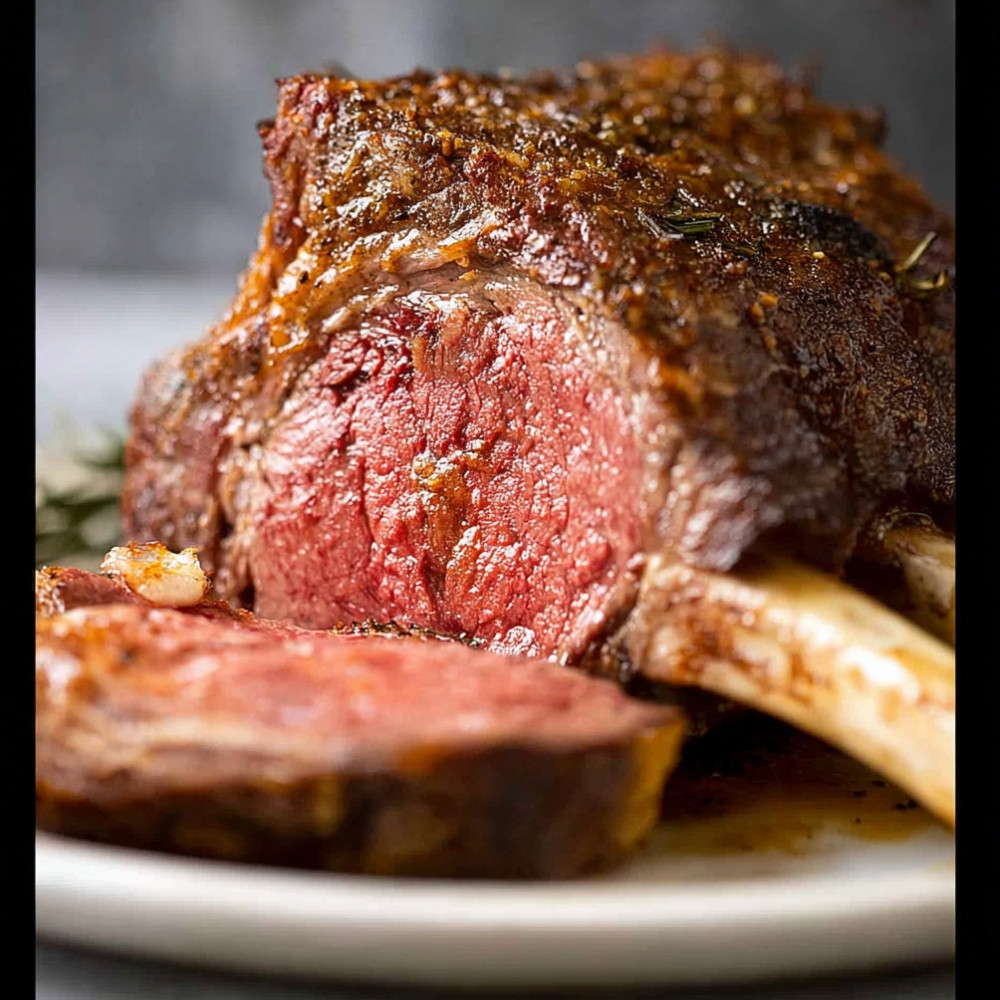
Standing rib roast, also known as prime rib, is an impressive and flavorful centerpiece perfect for special occasions. Its rich flavor and tender texture make it a favorite among meat lovers. This guide will walk you through the process of creating a succulent standing rib roast that will have your guests marveling at your culinary skills.
Detailed Ingredients with measures
Standing rib roast: 4-6 pounds
Coarse salt: 2 tablespoons
Freshly ground black pepper: 1 tablespoon
Garlic: 4 cloves, minced
Fresh rosemary: 2 tablespoons, chopped
Olive oil: 2 tablespoons
Prep Time
Preparation Time: 20 minutes
Cook Time, Total Time, Yield
Cook Time: 2-3 hours
Total Time: Approximately 3 hours
Yield: Serves 6-8 people
Detailed Directions and Instructions
Preparing the Rib Roast
Remove the standing rib roast from the refrigerator and allow it to come to room temperature, about 1-2 hours before cooking.
Seasoning the Roast
Generously season the roast with salt and freshly ground black pepper, ensuring that all sides are covered. For added flavor, you can also use herbs like rosemary or thyme.
Preparing the Oven
Preheat your oven to 450°F (232°C). This high initial temperature will help create a crust on the roast.
Roasting the Meat
Place the seasoned rib roast on a rack in a roasting pan, bone side down. Roast in the preheated oven for 20 minutes.
Reducing the Temperature
After 20 minutes, reduce the oven temperature to 325°F (163°C). Continue to roast the rib roast until it reaches your desired internal temperature, using a meat thermometer for accuracy.
Resting the Roast
Once cooked, remove the roast from the oven and let it rest for at least 20-30 minutes. This allows the juices to redistribute within the meat.
Slicing and Serving
After resting, slice the rib roast against the grain. Serve the slices with your choice of sides, ensuring each portion has a good amount of crust.
Notes
Choosing the Roast
Select a roast with good marbling for the best flavor and tenderness.
Cooking Temperatures
For optimal doneness, aim for an internal temperature of about 120°F (49°C) for rare, 130°F (54°C) for medium-rare, and 140°F (60°C) for medium.
Storage
Leftover rib roast can be stored in the refrigerator for up to 3-4 days. Reheat gently to maintain tenderness.
Making Gravy
Utilize the drippings from the roasting pan to make a flavorful gravy, enhancing the meal experience.
Serving Suggestions
Pair the rib roast with classic sides such as roasted vegetables, mashed potatoes, or a fresh salad to create a complete meal.
Cook techniques
Choosing the Right Cut
Select a high-quality standing rib roast, preferably from a reputable butcher, for the best flavor and tenderness.
Seasoning
Generously season the roast with salt and pepper, along with any additional herbs and spices you desire, to enhance the meat’s natural flavors.
Room Temperature
Allow the roast to come to room temperature for about an hour before cooking to ensure even cooking throughout.
Searing
Sear the roast in a hot oven or on a stovetop in a heavy skillet before roasting to create a flavorful crust.
Slow Roasting
Cook the roast at a low temperature to achieve even doneness and retain moisture, with recommended temperatures around 325°F (160°C).
Resting the Meat
Let the roast rest for at least 20 to 30 minutes after taking it out of the oven to allow the juices to redistribute, ensuring juicy slices.
Slicing
Slice the roast against the grain for tender pieces that enhance the overall dining experience.
FAQ
How long should I cook a standing rib roast?
Cooking time typically depends on the weight of the roast and desired doneness, generally around 15-20 minutes per pound at 325°F (160°C).
What is the best temperature for roasting?
A low and slow approach at 325°F (160°C) is recommended for even cooking and tenderness.
Can I prepare the roast in advance?
Yes, you can season the roast in advance and let it sit in the refrigerator overnight for better flavor.
What should I serve with standing rib roast?
Common accompaniments include Yorkshire pudding, mashed potatoes, and various roasted vegetables, as well as red wine.
How can I tell if the roast is done?
Using a meat thermometer, check for an internal temperature of 120°F (49°C) for rare, 130°F (54°C) for medium-rare, and 140°F (60°C) for medium.
Conclusion
The Standing Rib Roast is a centerpiece dish that offers rich flavors and a succulent texture, making it perfect for special occasions or holiday gatherings. Its impressive presentation combined with a simple yet effective cooking technique ensures that it will leave your guests in awe and satisfy their taste buds.
More recipes suggestions and combination
Garlic Herb Butter Steak
Enhance your meat experience with a garlic herb butter steak that incorporates similar flavors and complements the richness of the rib roast.
Classic Yorkshire Pudding
Serve traditional Yorkshire pudding on the side to soak up the delicious juices from the Standing Rib Roast for an authentic British feast.
Roasted Root Vegetables
Pair your roast with a medley of roasted root vegetables like carrots, parsnips, and potatoes to bring sweetness and balance to the meal.
Beef Wellington
For a show-stopping alternative, consider preparing Beef Wellington, which features beef tenderloin wrapped in puff pastry and a delicious mushroom duxelles.
Red Wine Reduction Sauce
Create a rich red wine reduction sauce to drizzle over your Standing Rib Roast, enhancing its flavor profile and adding a touch of elegance to the dish.
Horseradish Cream Sauce
A tangy horseradish cream sauce can provide a zesty kick that complements the savory notes of the rib roast beautifully.
Brussels Sprouts with Bacon
Sauté Brussels sprouts with crispy bacon as a side dish to complement the meaty flavors of the roast with their earthy and savory profile.
Chocolate Mousse
Round out your meal with a light chocolate mousse for dessert, providing a delightful sweet finish to a hearty feast.

Leave a Reply