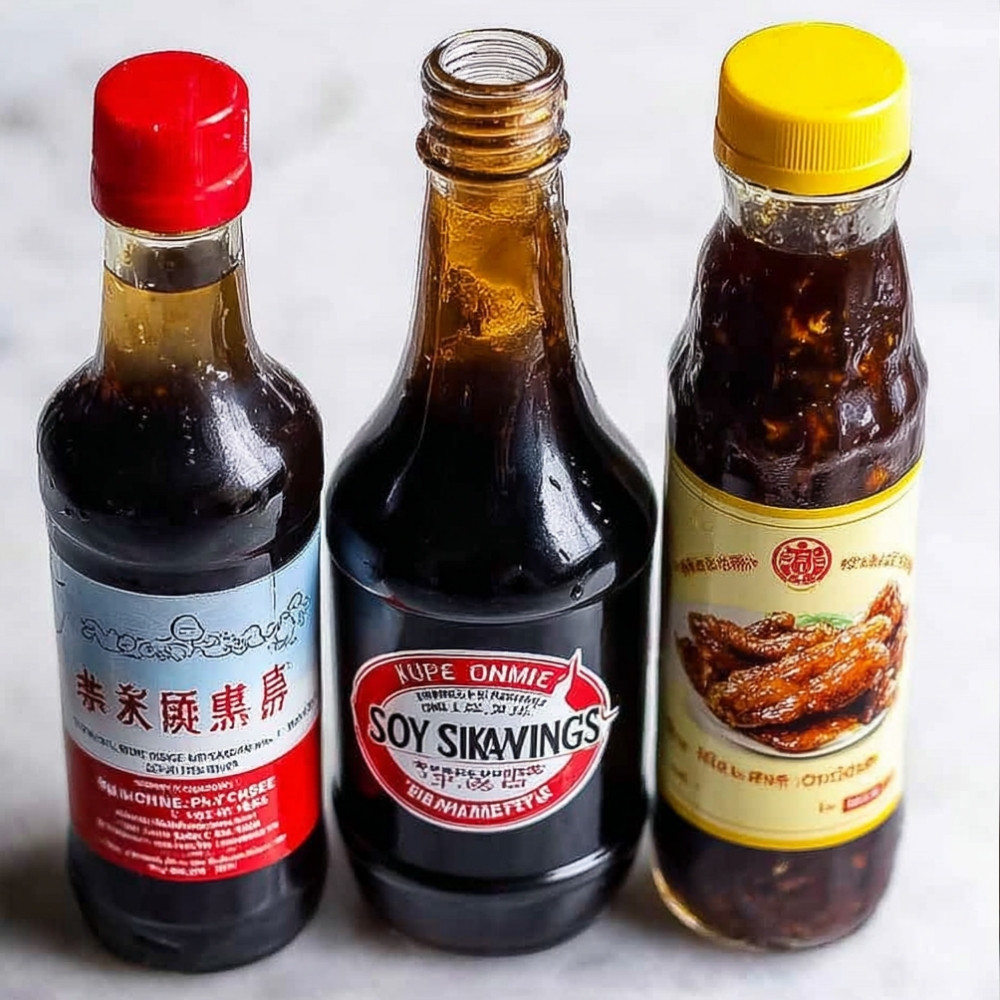
Introduction
Soy sauce is a quintessential ingredient in many cuisines, particularly in Asian dishes. Its rich, salty flavor enhances various recipes, from stir-fries to marinades. This guide will explore the different types of soy sauce, how it is made, and its culinary uses.
Detailed Ingredients with measures
Soy sauce typically includes the following ingredients:
– Soybeans: 1 cup
– Wheat: 1 cup
– Water: 4 cups
– Salt: 1 cup
– Koji starter (Aspergillus oryzae): 1 tablespoon
Prep Time
The preparation time for making homemade soy sauce can vary, but it generally takes around 30 minutes to prepare the ingredients for fermentation.
Cook Time, Total Time, Yield
– Cook Time: 6 months (fermentation period)
– Total Time: Approximately 6 months and 30 minutes
– Yield: About 1-quart of soy sauce
Soy sauce is a staple that not only adds depth to dishes but also provides a foundation for various sauces and condiments. Whether store-bought or homemade, its importance in culinary traditions cannot be overstated.
Detailed Directions and Instructions
Step 1: Prepare the Ingredients
Gather all necessary ingredients including soy sauce, water, and any additional ingredients as specified in the recipe.
Step 2: Combine Ingredients
In a bowl, combine the soy sauce with water in the appropriate ratio as outlined in the recipe.
Step 3: Bring to Heat
Transfer the mixture to a saucepan and heat it over medium heat. Stir occasionally to ensure even distribution of the flavors.
Step 4: Simmer
Allow the mixture to simmer for a few minutes to enhance the flavors. Monitor the heat to prevent boiling.
Step 5: Cool Down
Once the desired flavor has been achieved, remove the saucepan from heat and let the mixture cool down to room temperature.
Step 6: Store
Pour the cooled soy sauce into a clean, airtight container for storage. Make sure to label the container with the date.
Step 7: Enjoy
Use your homemade soy sauce in various dishes, and enjoy the unique flavor it adds to your meals.
Notes
Flavor Adjustments
Feel free to adjust the ratio of soy sauce to water based on your flavor preference.
Storage Recommendations
Store the soy sauce in a cool, dark place to prolong its shelf life. Refrigeration is recommended for longer storage.
Usage Ideas
Incorporate your soy sauce into marinades, stir-fries, or as a seasoning for soups and salads.
Homemade Variations
Consider adding ingredients like garlic, ginger, or scallions for additional flavor profiles tailored to your cooking style.
Cook techniques
Understanding Soy Sauce Varieties
Soy sauce is available in various types, such as light, dark, and tamari, each offering distinct flavors and uses in cooking.
Proper Storage of Soy Sauce
To maintain its quality, soy sauce should be stored in a cool, dark place, and once opened, it can be kept in the refrigerator.
Using Soy Sauce in Marinades
Soy sauce acts as an umami enhancer in marinades, providing depth and richness to meats and vegetables.
Incorporating Soy Sauce in Stir-Fries
Adding soy sauce towards the end of cooking retains its flavor and aroma, enhancing stir-fried dishes.
Balancing Soy Sauce in Recipes
When using soy sauce, balance its saltiness with other ingredients, such as sugar or vinegar, to create harmony.
Creating Soy Sauce Dressings
Soy sauce can be a base for dressings; combine it with oils, vinegar, and aromatics for a flavorful salad topping.
FAQ
What are the different types of soy sauce?
The main types include light, dark, and tamari, each suited for specific dishes.
Can soy sauce go bad?
While it doesn’t spoil easily, its quality may decline over time, especially once opened.
Is soy sauce gluten-free?
Tamari is a gluten-free option, while most traditional soy sauces contain wheat.
How can I reduce sodium intake from soy sauce?
Look for low-sodium soy sauce alternatives or use vinegar and other seasonings to replace some of the saltiness.
Can soy sauce be used in dessert recipes?
Yes, it can enhance flavors in certain sweets, particularly in chocolate dishes and caramel sauces.
Conclusion
Soy sauce is a versatile ingredient that enhances the flavor of various dishes, from marinades and stir-fries to dipping sauces. Its rich umami profile makes it a staple in many cuisines, especially Asian culinary traditions. Experimenting with different types of soy sauce can further elevate your cooking, allowing for unique twists and combinations on classic recipes.
More recipes suggestions and combination
Stir-Fried Vegetables
Combine soy sauce with fresh seasonal vegetables for a quick and flavorful stir-fry.
Marinated Grilled Chicken
Use soy sauce as a base for a marinade to add depth to your grilled chicken, enhancing its taste and tenderness.
Sushi Rice Seasoning
Incorporate soy sauce into your sushi rice for an authentic touch when making sushi rolls.
Beef Teriyaki
Create a delicious teriyaki sauce with soy sauce, brown sugar, and mirin to glaze grilled or stir-fried beef.
Asian Noodle Salad
Dress your cold noodle salad with soy sauce, sesame oil, and a splash of vinegar for a refreshing side dish.
Soy Sauce and Honey Glazed Salmon
Mix soy sauce with honey and garlic for a luscious glaze that pairs perfectly with grilled or baked salmon.
Egg Fried Rice
Add soy sauce to your egg fried rice for a quick and flavorful one-pot meal that’s perfect for leftovers.
Soy Sauce Chicken Wings
Marinate chicken wings in a soy sauce mixture before baking or frying them for a savory appetizer.
Vegetarian Stir-Fry with Tofu
Toss tofu and assorted vegetables in soy sauce for a satisfying vegetarian dish that’s rich in flavor.
Soy Sauce Pickled Cucumbers
Create a quick pickle using soy sauce, rice vinegar, and sugar for a tasty, crunchy side dish.


Leave a Reply