Introduction
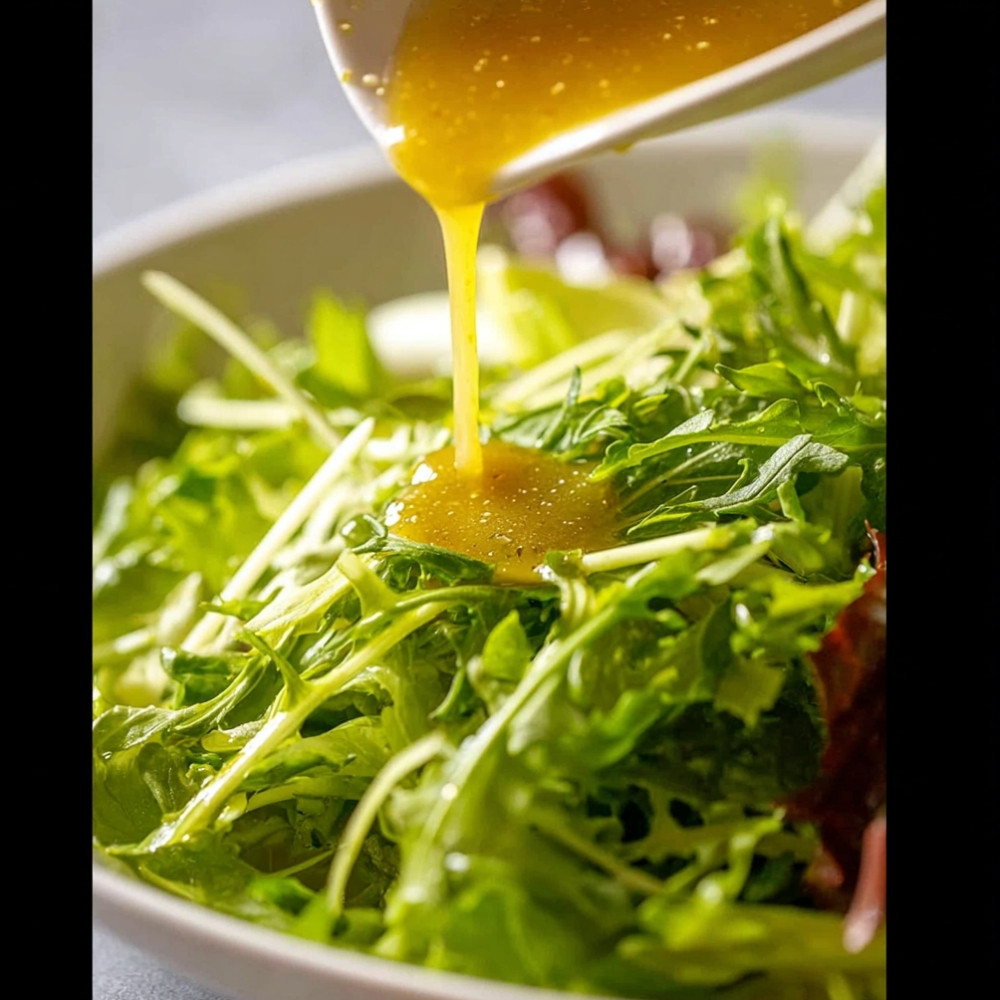
Creating the perfect salad dressing can elevate a simple salad into a delicious culinary experience. The right dressing not only enhances flavor but also complements the freshness of the ingredients. This article delves into the essentials of crafting a flavorful salad dressing that can be customized to suit various tastes.
Detailed Ingredients with measures
Vinegar: 1/4 cup (white wine or apple cider vinegar)
Oil: 3/4 cup (olive oil or your preferred cooking oil)
Mustard: 1 teaspoon (Dijon or whole grain mustard)
Honey: 1 teaspoon (or maple syrup for a vegan option)
Salt: 1/2 teaspoon
Pepper: 1/4 teaspoon
Garlic: 1 clove (minced, optional)
Herbs: Fresh or dried (to taste, such as basil, oregano, or thyme)
Prep Time
Preparation Time: 10 minutes
Cook Time, Total Time, Yield
Cook Time: 0 minutes
Total Time: 10 minutes
Yield: Approximately 1 cup of dressing
Utilize this dressing to enhance your salads or as a flavorful marinade. Enjoy experimenting with different ingredients to create a dressing that is uniquely yours!
Detailed Directions and Instructions
Step 1: Gather Ingredients
Collect all necessary ingredients needed for your salad dressing. This typically includes oil, vinegar, sweetener, seasonings, and any additional flavorings you desire.
Step 2: Choose Your Base
Select your oil base. Options include olive oil, canola oil, or avocado oil. Choose one that complements your salad.
Step 3: Select Your Acid
Choose an acidic component, such as vinegar (balsamic, red wine, apple cider) or citrus juice (lemon, lime). This will provide tanginess to your dressing.
Step 4: Add Sweetness
Incorporate a sweet element to balance the acidity. Common choices are honey, maple syrup, or sugar. Adjust the amount based on your taste preference.
Step 5: Incorporate Seasonings
Mix in seasonings such as salt, pepper, garlic powder, or fresh herbs to enhance flavor. Adjust the seasoning levels according to your liking.
Step 6: Combine Ingredients
In a bowl or jar, combine all ingredients. If using a jar, you can quickly shake them together. For a bowl, use a whisk to blend all components until well emulsified.
Step 7: Taste and Adjust
Taste the dressing. Adjust flavors by adding more salt, acid, or sweetness if necessary. Repeat until satisfied with the balance.
Step 8: Store or Serve
If not using immediately, transfer the dressing to a sealed container and refrigerate. Shake well before serving if stored, as ingredients may separate.
Notes
Note 1: Storage Tips
Dressing can be stored in the refrigerator for up to a week, depending on ingredients used.
Note 2: Variations
Feel free to experiment with different oils, vinegars, and flavors to create a variety of dressings tailored to your taste preferences.
Note 3: Emulsification
For a creamy dressing, consider adding Dijon mustard, mayonnaise, or yogurt to help stabilize the mixture and enhance texture.
Note 4: Fresh Ingredients
Using fresh herbs can elevate the flavor of your dressing. Consider adding basil, cilantro, or parsley for an aromatic touch.
Note 5: Serving Suggestions
This dressing is versatile and can be used for salads, marinades, or drizzling over roasted vegetables or grains.
Cook techniques
Emulsification
To create a stable dressing, combine oil and vinegar or any other acidic ingredient. Whisk vigorously or blend until the mixture is smooth and cohesive.
Flavor Balancing
Adjust the proportions of oil, vinegar, and seasonings to achieve a balanced flavor profile. Taste as you go to ensure the dressing is not too sharp or bland.
Infusion
Enhance the taste of your dressings by infusing oils with herbs, spices, or garlic. Let the ingredients steep in oil for a few hours or overnight.
Temperature Control
Use room temperature ingredients, as cold components can cause the dressing to separate. Allow ingredients to come to a uniform temperature before mixing.
Storage Tips
Store dressings in an airtight container in the refrigerator. Shake or stir well before using, as ingredients may separate over time.
FAQ
How long can homemade salad dressing last in the fridge?
Homemade salad dressing can typically last for about 1 to 2 weeks in the refrigerator.
Can I use different types of oils in salad dressings?
Yes, you can experiment with various oils, such as olive oil, avocado oil, or sesame oil, to create unique flavors.
Is it necessary to use Dijon mustard in dressings?
Dijon mustard is not mandatory, but it helps to emulsify the dressing and adds a tangy flavor. You can omit it if preferred.
How can I make a creamy salad dressing?
To create a creamy dressing, add ingredients like yogurt, sour cream, or mayonnaise. Blend until you reach the desired consistency.
Can I customize the sweetness of my dressing?
Absolutely! Adjust the sweetness by adding honey, maple syrup, or sugar to your dressing according to your taste preferences.
Conclusion
Creating your own salad dressings opens a world of flavor and customization that store-bought versions often lack. With a few simple ingredients, you can whip up dressings that complement any salad, bringing freshness and vibrant taste to your meals. Experiment with different oil and vinegar combinations, add herbs or spices, and don’t forget to taste as you go. Tailor your dressings to suit your preferences, and make salads more enjoyable with these delicious homemade options.
More recipes suggestions and combinations
Classic Vinaigrette
A timeless blend of olive oil, vinegar, mustard, and seasoning that’s perfect for any green salad or roasted vegetables.
Creamy Garlic Dressing
A rich dressing made with mayonnaise, yogurt, garlic, and herbs, ideal for drizzling over garden salads or using as a dip.
Honey Mustard Dressing
A sweet and tangy dressing that combines honey, Dijon mustard, and olive oil, great for drizzling over spinach salads or grilled chicken.
Sesame Soy Dressing
A flavorful Asian-inspired dressing using soy sauce, sesame oil, and rice vinegar, perfect for salads featuring cabbage, carrots, and mixed greens.
Lemon Herb Dressing
A bright and zesty dressing made with fresh lemon juice, herbs, and olive oil, elevating the taste of any vegetable or grain salad.
Avocado Lime Dressing
A creamy, nutritious dressing that blends avocado, lime juice, and yogurt, perfect for drizzling on taco salads or grain bowls.



Leave a Reply