Introduction
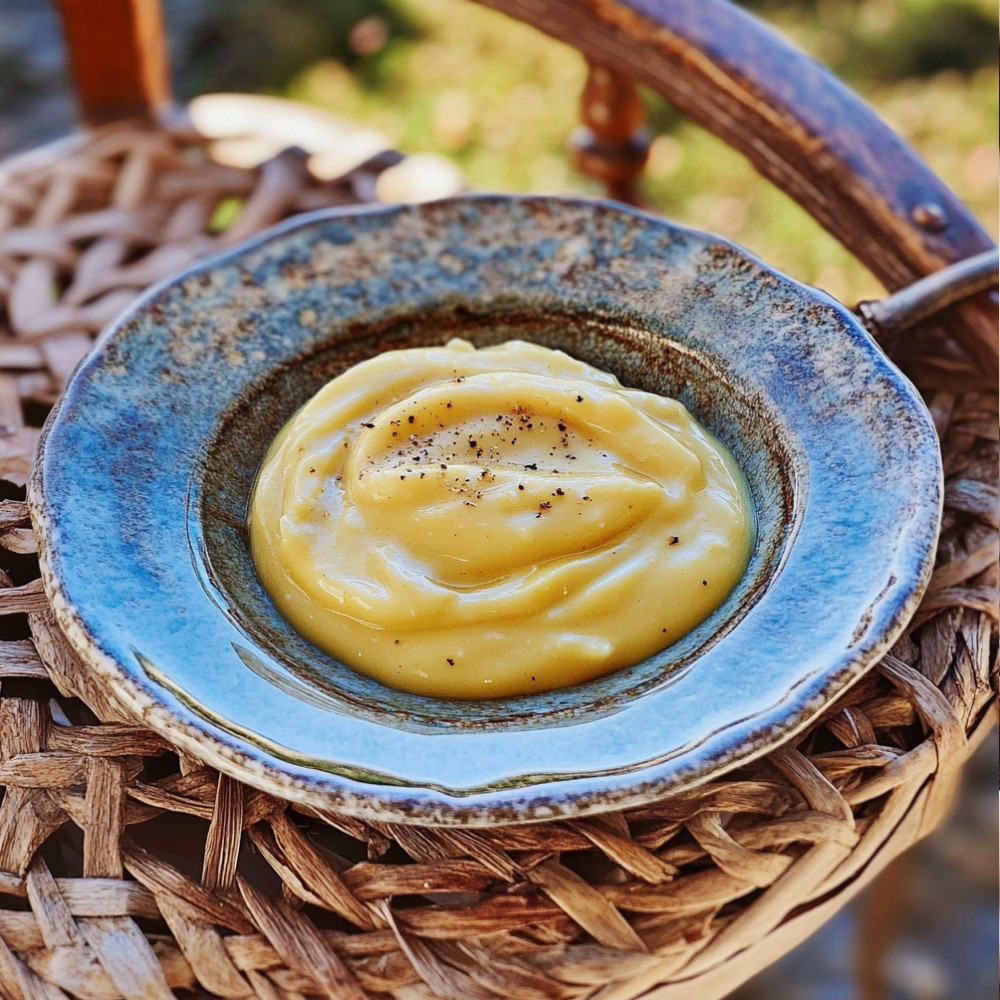
Garlic aioli is a classic condiment that adds a rich and creamy texture to a variety of dishes. Originating from the Mediterranean region, this garlic-infused mayonnaise is perfect for dipping, spreading, or drizzling. Jamie Oliver’s recipe elevates this traditional favorite with fresh ingredients and easy-to-follow instructions, making it a must-try for home cooks looking to enhance their meals.
Ingredients
1 large egg
1 clove of garlic, peeled
200 ml of extra virgin olive oil
1 tablespoon of lemon juice
Salt to taste
Prep Time
10 minutes
Cook Time, Total Time, Yield
Cook Time: 0 minutes
Total Time: 10 minutes
Yield: Approximately 250 ml of aioli
Detailed Directions and Instructions
Step 1: Prepare the Ingredients
Gather all the necessary ingredients for making garlic aioli, ensuring everything is fresh and ready to use.
Step 2: Start with the Garlic
Peel the garlic cloves and place them in a mixing bowl. Use a fork or a bowl chopper to crush them into a smooth paste for optimal flavor release.
Step 3: Add Egg Yolks
Introduce the egg yolks to the bowl with the crushed garlic. Combine them well to create a smooth mixture.
Step 4: Incorporate the Oil
Begin to drizzle in the oil slowly while whisking continuously. This step is crucial for emulsifying the mixture and achieving the desired creamy texture.
Step 5: Continue Mixing
Keep whisking vigorously, ensuring the oil is fully incorporated before adding more. Do not rush this step to prevent the aioli from separating.
Step 6: Add Lemon Juice
Once the aioli reaches a thick, creamy consistency, add freshly squeezed lemon juice to taste. This adds brightness and balance to the flavor.
Step 7: Season to Taste
Stir in salt and pepper to enhance the overall flavor of the aioli. Adjust the seasoning based on your preference.
Step 8: Store or Serve
If not serving immediately, transfer the aioli to a sealed container and refrigerate until ready to use. Otherwise, enjoy it fresh as a dip or condiment.
Notes
Note 1: Freshness Matters
Use fresh garlic and high-quality oil for the best results in flavor and texture.
Note 2: Egg Safety
If concerned about using raw egg yolks, opt for pasteurized eggs or an egg substitute.
Note 3: Variations
Feel free to experiment with additional flavors, such as adding herbs or spices, to customize your aioli further.
Note 4: Consistency Issues
If the aioli separates, try whisking in a little warm water to bring it back together.
Cook techniques
Emulsification
Emulsification is the process of combining two ingredients that typically do not mix, such as oil and water. In this recipe, you will slowly incorporate oil into the garlic and egg yolk mixture while whisking vigorously to achieve a creamy consistency.
Whisking
Whisking is essential for creating a smooth and fluffy texture in aioli. Use a whisk or a hand blender to thoroughly incorporate the ingredients, ensuring that air is introduced into the mixture for an airy final product.
Flavor infusion
To enhance the flavor of your aioli, allow the garlic to infuse with the oil before mixing. This deepens the garlic’s essence and results in a more robust flavor profile.
Consistency adjustment
If your aioli is too thick, you can adjust the consistency by adding a small amount of water or lemon juice. Start with a teaspoon at a time until you reach your desired thickness.
Storage
Homemade aioli should be stored in an airtight container in the refrigerator. It typically lasts for about a week, so be sure to use it within this timeframe for the best flavor and safety.
FAQ
Can I use a food processor instead of whisking by hand?
Yes, a food processor can be used to streamline the emulsification process, making it easier to achieve the desired texture quickly.
What can I substitute for egg yolks in aioli?
If you prefer not to use raw egg yolks, you can experiment with mayonnaise as a base or look for egg substitutes that provide similar emulsifying properties.
Can I make aioli without garlic?
Yes, you can create a similar sauce by using other flavoring agents, such as herbs or spices, in place of garlic. However, it will differ from traditional aioli.
Is aioli the same as mayonnaise?
Aioli is often confused with mayonnaise, but traditional aioli is made primarily from garlic and olive oil, while mayonnaise typically includes egg yolks and vinegar or lemon juice.
What dishes pair well with aioli?
Aioli pairs beautifully with a variety of dishes, including grilled vegetables, sandwiches, seafood, and as a dipping sauce for fries.
Conclusion
The garlic aioli is a versatile and flavorful addition to various dishes, enhancing the overall taste with its creamy texture and rich garlic flavor. Whether used as a dip, spread, or sauce, it is easy to make and can elevate your culinary creations.
More recipes suggestions and combination
Garlic Aioli with Veggie Platter
Pair garlic aioli with an assortment of fresh, crunchy vegetables for a delightful and healthy appetizer.
Garlic Aioli as a Sandwich Spread
Use garlic aioli as a zesty spread on sandwiches or wraps to add creaminess and flavor.
Garlic Aioli with Grilled Meats
Serve garlic aioli alongside grilled chicken, steak, or seafood to enhance the richness of the dish.
Garlic Aioli for Fish Tacos
Drizzle garlic aioli on fish tacos for a creamy finish that complements the spices and flavors.
Garlic Aioli with French Fries
Use garlic aioli as a dip for crispy French fries or sweet potato fries for a gourmet twist.
Garlic Aioli and Roasted Potatoes
Serve garlic aioli as a dipping sauce alongside roasted potatoes for added flavor.
Garlic Aioli with Salads
Incorporate garlic aioli in salad dressings or use it as a dressing on salads for a creamy texture and a burst of flavor.