Introduction
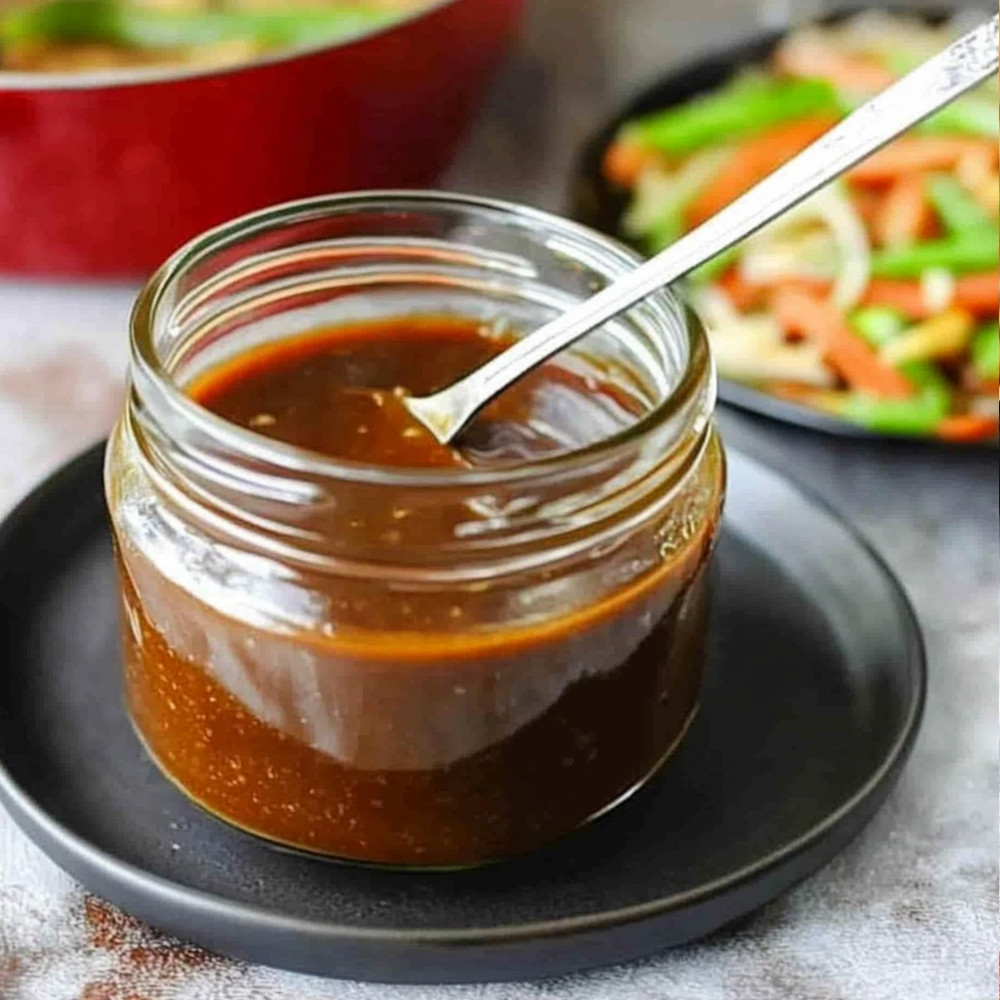
Stir-fry is a cornerstone of Chinese cuisine, known for its vibrant flavors and quick cooking techniques. The key to a delicious stir-fry lies in its sauce, which sets the stage for the entire dish. In this article, we explore a real Chinese all-purpose stir-fry sauce that elevates your meals, making them both authentic and mouth-watering. This sauce is versatile enough to complement a variety of meats and vegetables, making it a must-have in your culinary repertoire.
Detailed Ingredients with measures
Soy sauce: 1/4 cup
Oyster sauce: 2 tablespoons
Sesame oil: 1 tablespoon
Rice vinegar: 1 tablespoon
Sugar: 1 tablespoon
Cornstarch: 1 teaspoon
Water: 1/4 cup
Prep Time
10 minutes
Cook Time, Total Time, Yield
Cook Time: 5 minutes
Total Time: 15 minutes
Yield: Serves 4
Detailed Directions and Instructions
Step 1: Combine Ingredients
In a mixing bowl, combine the following: soy sauce, oyster sauce, cornstarch, and water. Whisk the mixture until the cornstarch is fully dissolved and the sauces are well combined.
Step 2: Adjust for Flavor
Taste the mixture and adjust the flavors as necessary. You can add more soy sauce for a saltier taste, more oyster sauce for extra umami, or a pinch of sugar if a little sweetness is desired.
Step 3: Store the Sauce
Once satisfied with the flavor, transfer the sauce to a clean, airtight container. This sauce can be stored in the refrigerator for up to two weeks.
Notes
Note 1: Alternative Ingredients
Feel free to experiment with the ratios of the ingredients or substitute with low-sodium soy sauce if a lighter option is preferred.
Note 2: Thickening the Sauce
For a thicker sauce, increase the amount of cornstarch in the mix. Remember to adjust the water accordingly to maintain a balanced consistency.
Note 3: Usage
This stir-fry sauce is versatile and can be used with a variety of proteins and vegetables, making it suitable for different stir-fry dishes.
Note 4: Freezing the Sauce
If you want to prepare the sauce in advance, consider freezing it in ice cube trays. Once frozen, transfer the cubes to a freezer bag for easy use in the future.
Cook techniques
Stir-Frying
Stir-frying is a high-heat cooking method that involves quickly cooking food in a small amount of oil while stirring continuously. This technique helps to retain the color, flavor, and nutritional value of the ingredients.
Prepping Ingredients
Preparation is key in stir-frying. Cut all ingredients into uniform sizes to ensure even cooking. This includes proteins, vegetables, and aromatics, which allows for balanced flavors and textures.
Temperature Control
Ensure your wok or pan is preheated properly before adding oil and ingredients. A hot surface helps in achieving a good sear and prevents sticking, providing the desired texture in your stir-fry.
Using a Wok
A wok is ideal for stir-frying due to its shape, which provides better heat distribution and allows for easy tossing and stirring of ingredients. The high sides help to contain the food while moving it around.
Batch Cooking
If making a large quantity, it’s best to cook in batches to avoid overcrowding the pan. This ensures that each ingredient cooks properly and maintains its distinctive flavor and texture.
FAQ
What type of oil is best for stir-frying?
Using oils with a high smoke point, such as vegetable oil, peanut oil, or canola oil, is recommended for stir-frying. These oils can withstand high temperatures without breaking down.
Can I use frozen vegetables in a stir-fry?
Yes, frozen vegetables can be used, but it’s best to thaw and drain them first to avoid excess moisture, which can steam the dish instead of stir-frying it.
How do I prevent my stir-fry from becoming soggy?
To prevent sogginess, make sure your wok is hot before adding ingredients and avoid overcrowding the pan. Ensuring ingredients are cut uniformly can also aid in even cooking.
What proteins work well in stir-fries?
Common proteins for stir-fries include chicken, beef, pork, shrimp, and tofu. It’s important to marinate or season these proteins in advance for enhanced flavor.
Is stir-frying healthy?
Stir-frying can be a healthy cooking method as it requires less oil than deep frying and retains more nutrients in vegetables due to the quick cooking time. Adding a variety of colorful vegetables enhances both taste and nutrition.
Conclusion
The real Chinese-purpose stir-fry sauce is a versatile and flavorful addition to your culinary repertoire. With its balance of savory, sweet, and umami flavors, this sauce can elevate a wide range of dishes, making your stir-fry meals satisfying and authentic.
More recipes suggestions and combination
Vegetable Stir-Fry
Combine a mix of your favorite vegetables such as bell peppers, broccoli, and snap peas with the stir-fry sauce for a vibrant and nutritious dish.
Chicken Stir-Fry
Use the sauce to stir-fry thinly sliced chicken breast along with vegetables for a protein-packed meal that’s quick and easy to prepare.
Beef and Broccoli
Pair the sauce with beef strips and fresh broccoli for a classic dish that brings together tender meat and crisp greens.
Tofu Stir-Fry
Marinate cubes of tofu in the stir-fry sauce, then fry until golden and serve with vegetables for a satisfying vegetarian option.
Shrimp Stir-Fry
Toss shrimp with the sauce and your choice of vegetables for a quick seafood stir-fry that is both delicious and elegant.
Fried Rice
Use the stir-fry sauce as a seasoning for fried rice, adding in cooked rice, vegetables, and proteins for a hearty meal.
Noodle Stir-Fry
Mix the sauce with cooked noodles and your choice of meats and vegetables for a delightful noodle dish that combines flavors and textures.